CIF has a framework to help in a way that doesn’t hurt churches … they want churches to stay in a good financial position
Share
Some creativity was in order … it was the Lukewarm HVAC Campaign – where unlike our faith, our building shall be neither hot nor cold
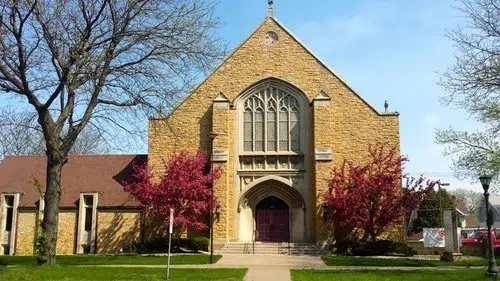
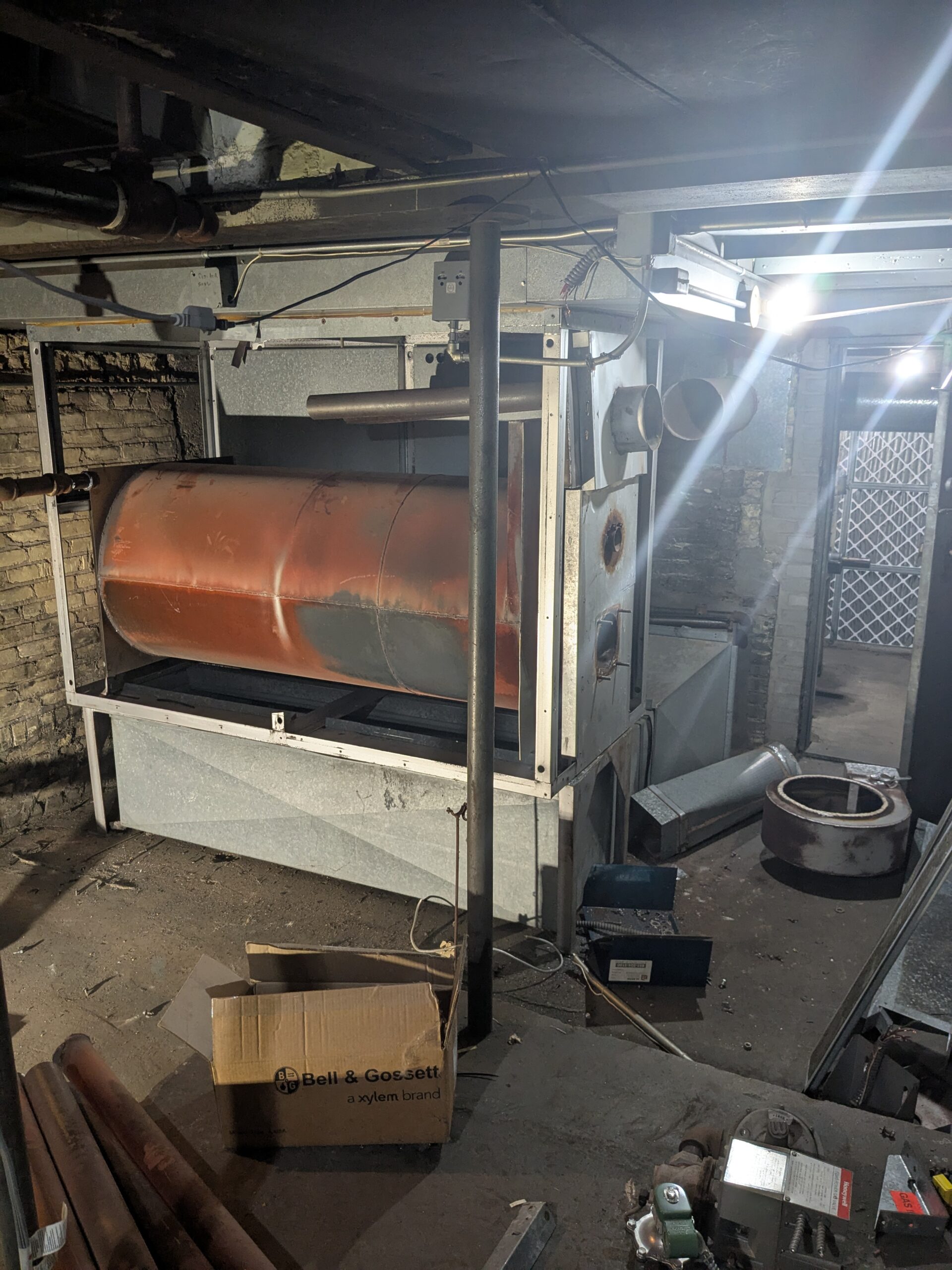
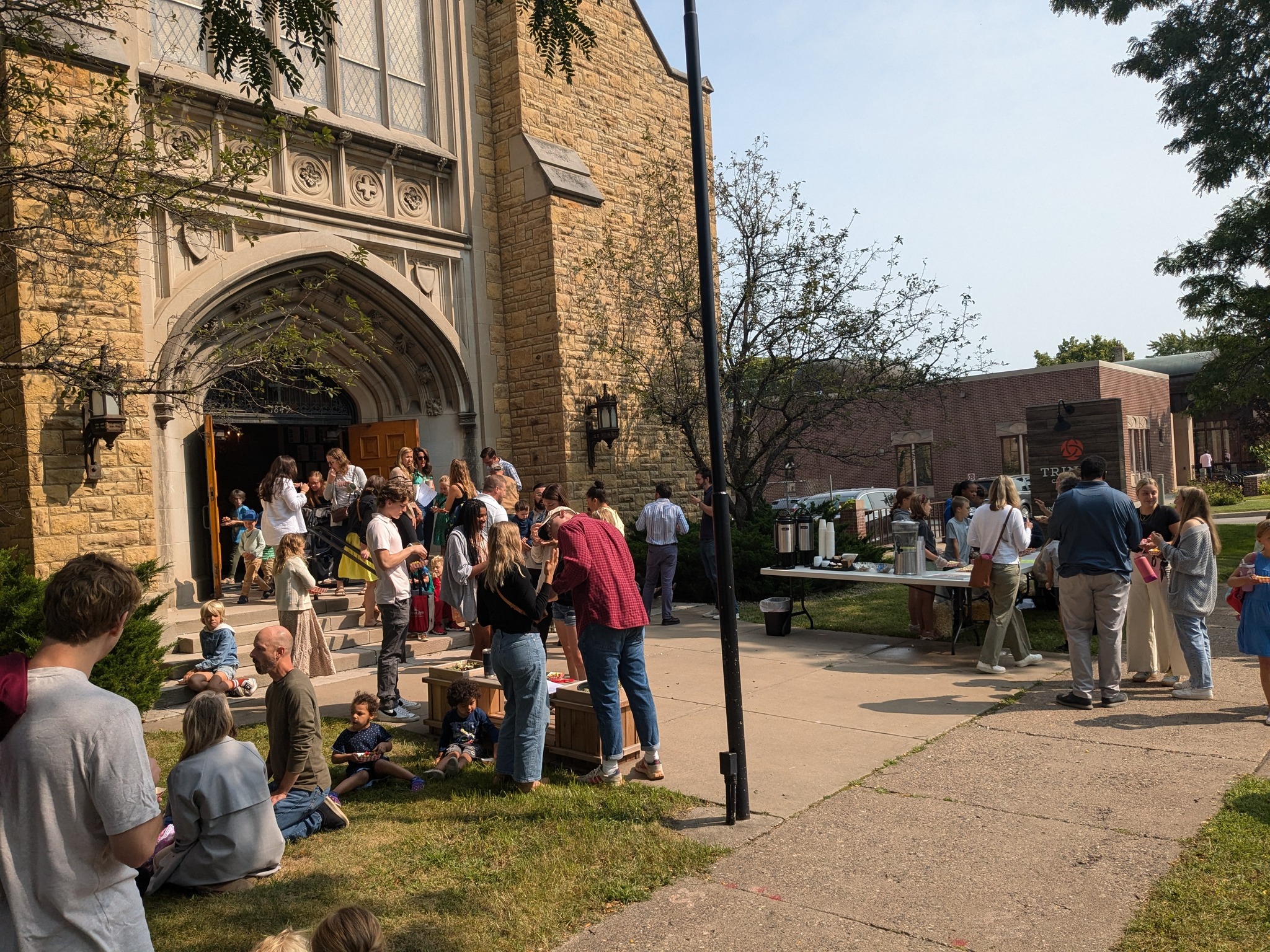
Outside cold and heat were closing in on attendees at Trinity City Church, where heating and air conditioning systems neared end of life. Replacement costs were estimated at more than $500,000 for the 20,000 square-foot building that dates to 1913.
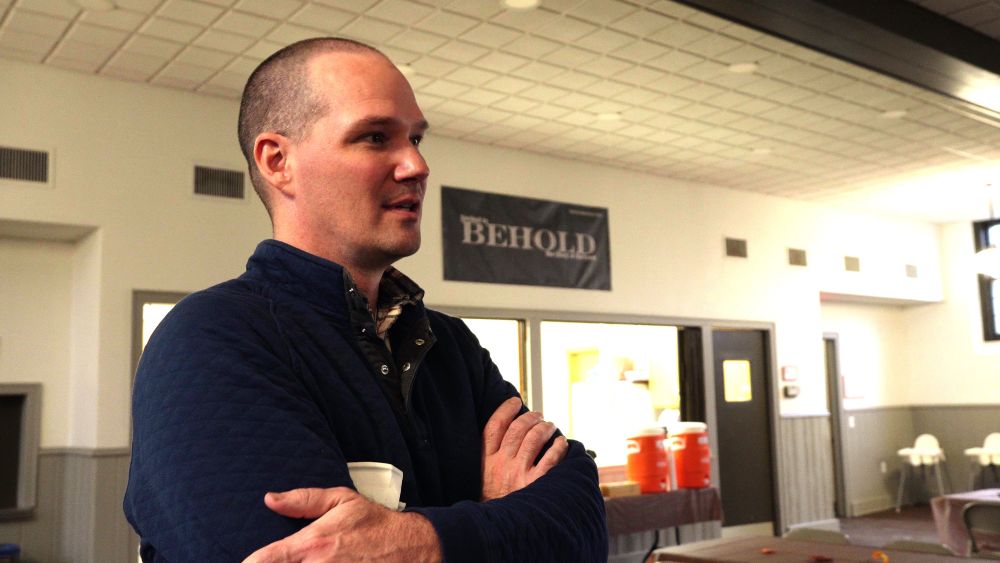
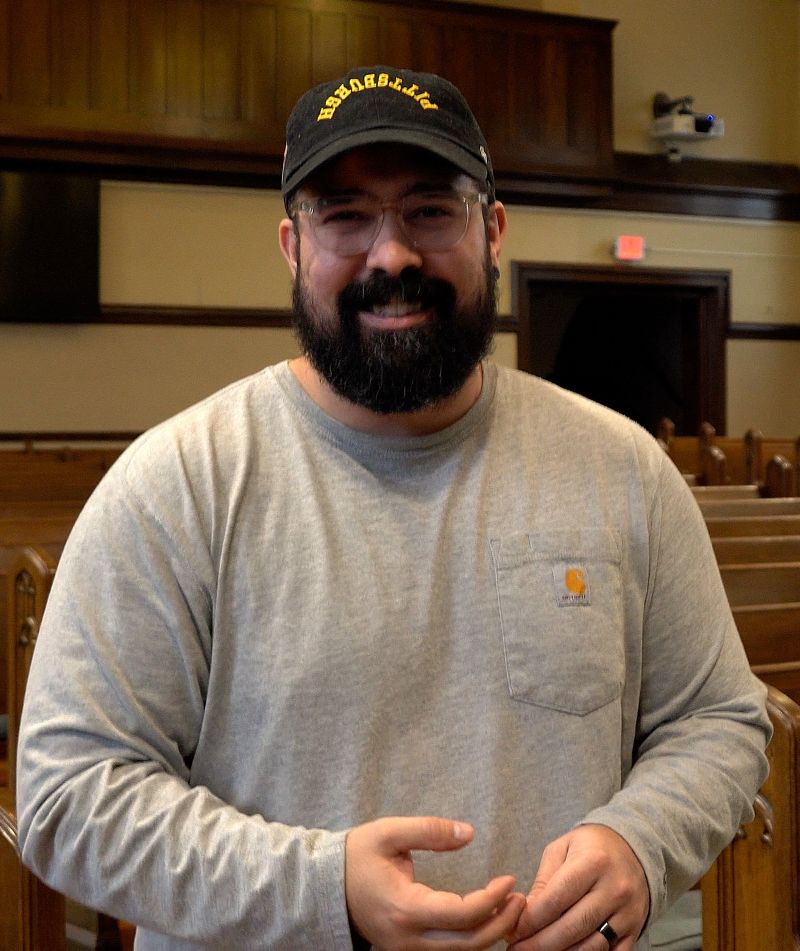
“CIF has been with us the whole way, trying to be creative and help us find a solution,” said Jared Satrom, an engineer and project manager who attends the St. Paul, Minnesota church.
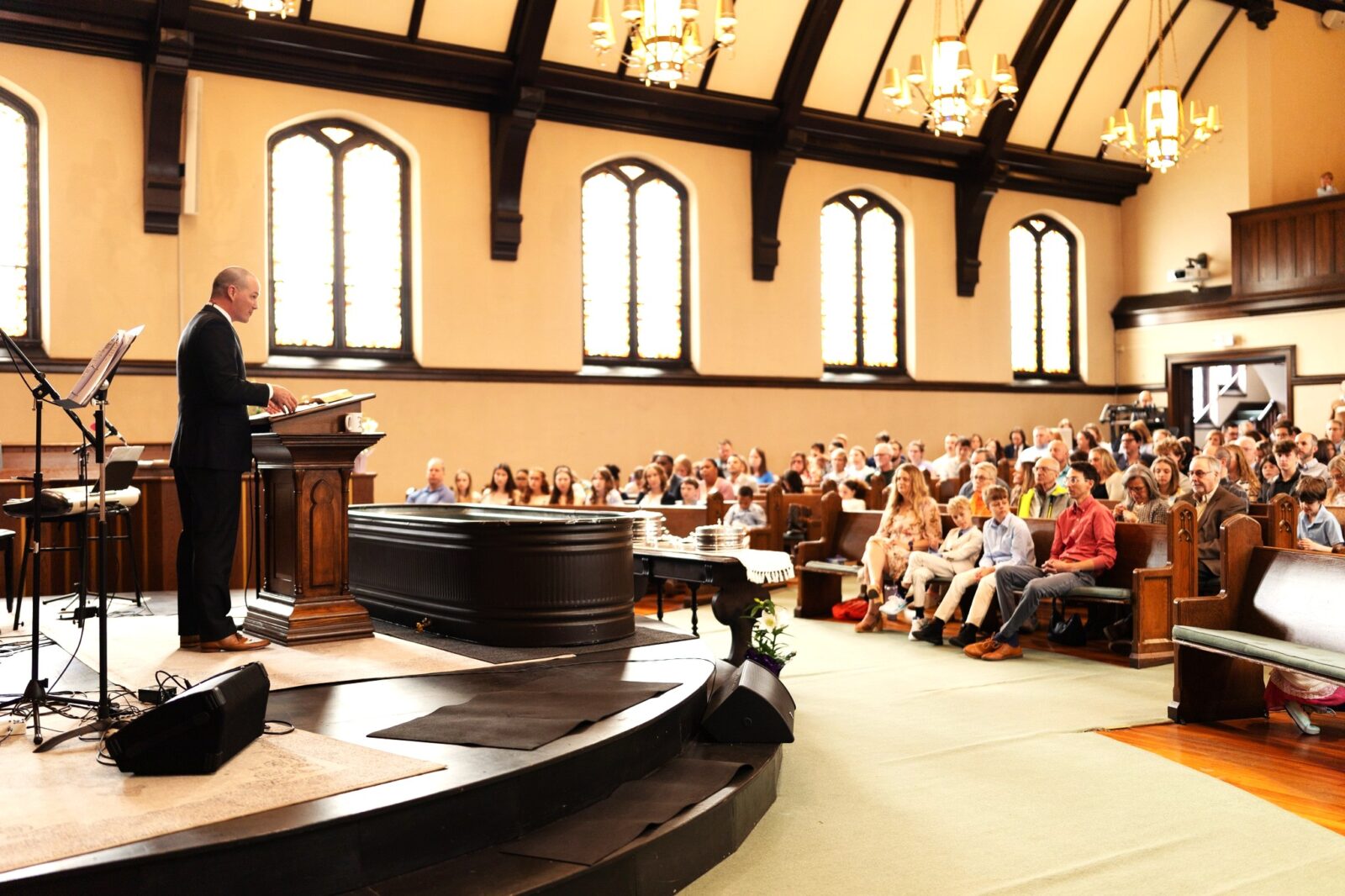
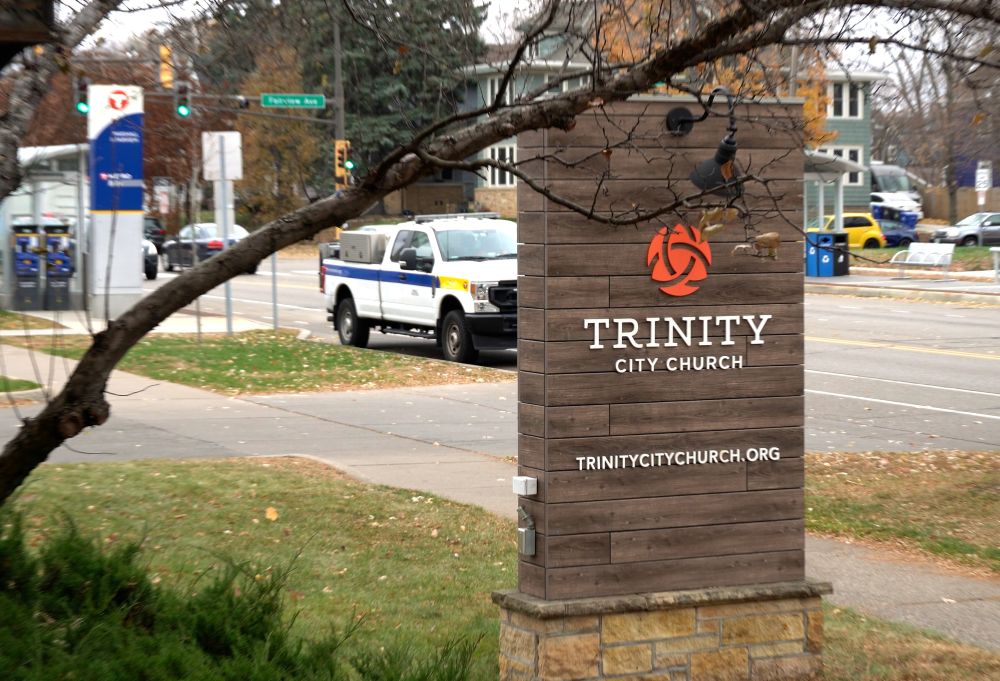
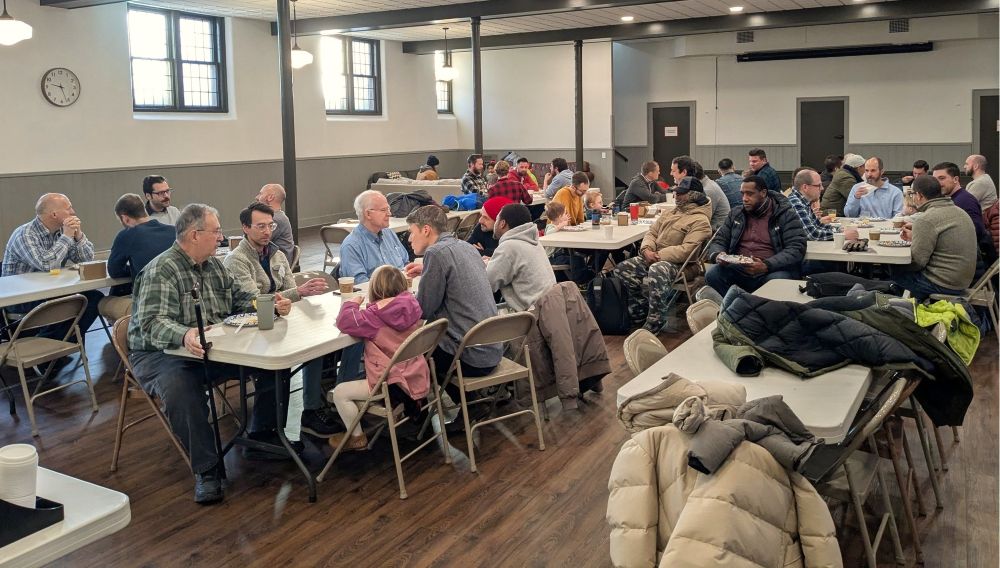
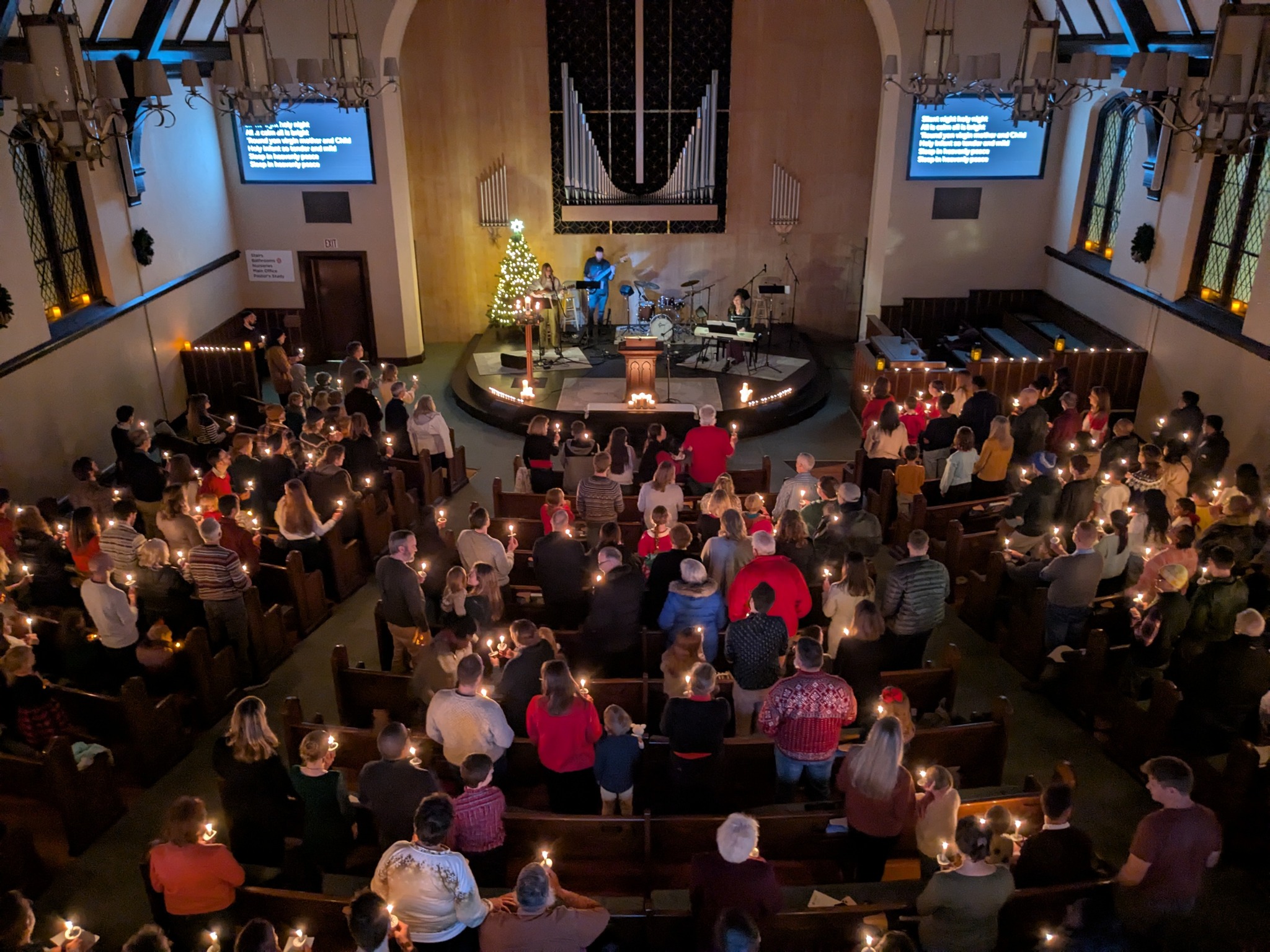
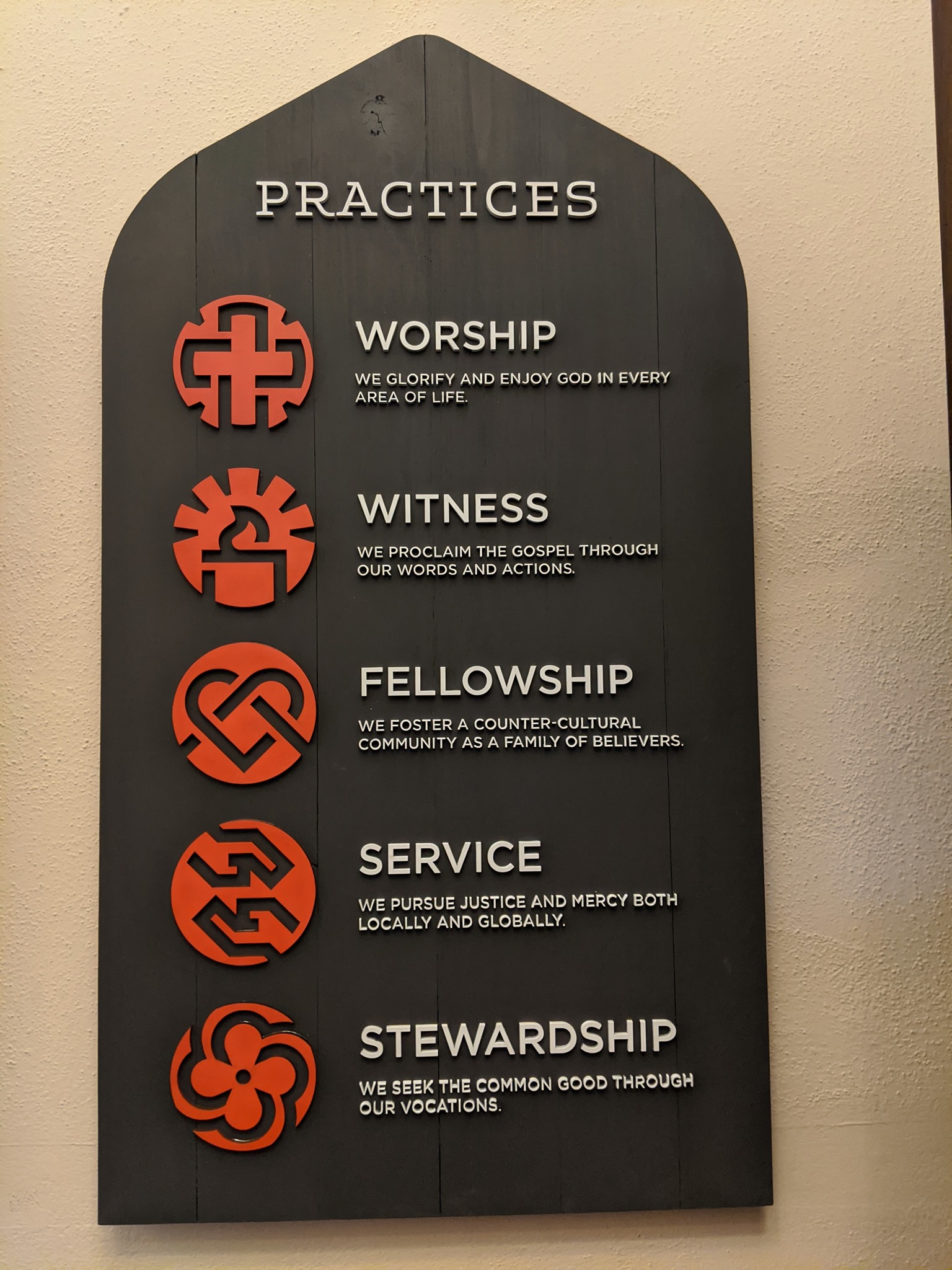
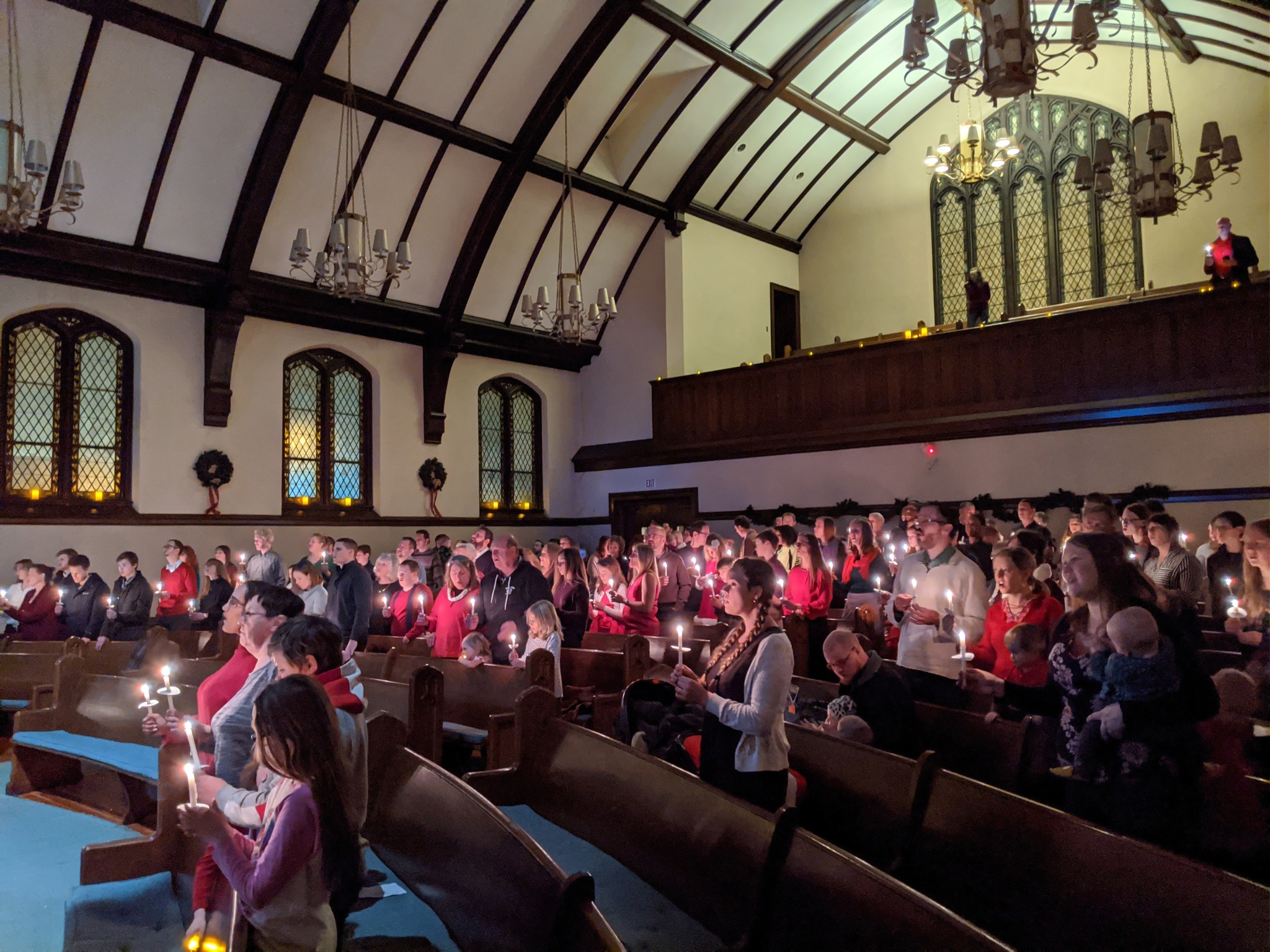
With the building purchase financed by Christian Investors Financial (CIF) in 2015, the urban congregation of about 200 prides itself as a neighborhood church that is both walkable and global, reaching out to several nearby colleges and universities. Attendees are generally educated and younger, which has led to strong and growing children’s and youth ministries, explains Senior Pastor Bryan Lair.
Financing for climate control would come from a creative church led capital campaign, and a church loan from CIF. Satrom and other professionals at Trinity created a request for quotes (RFQ) for HVAC system options.
Heat pump works both ways
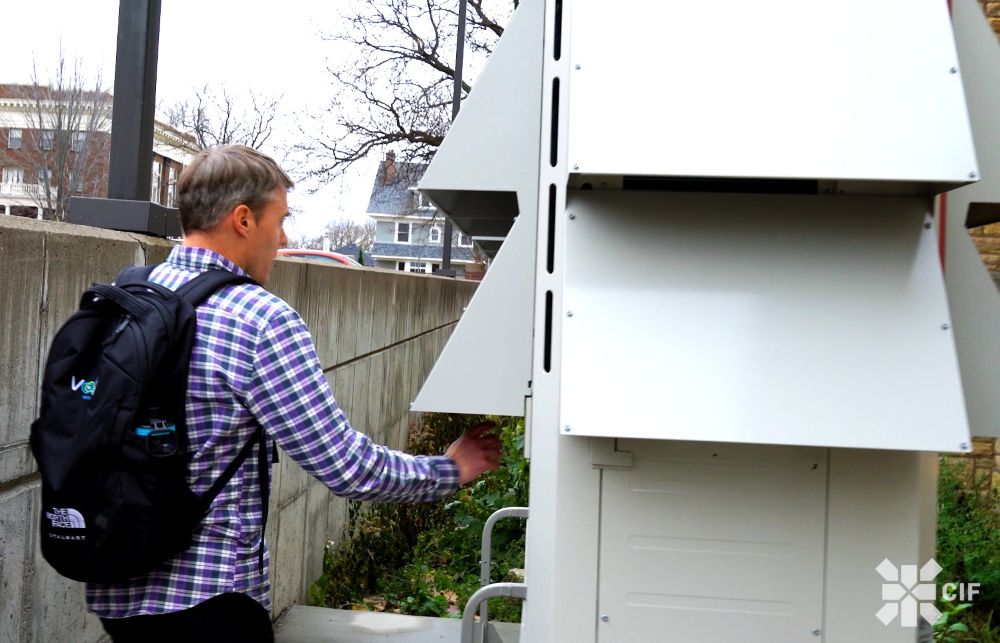
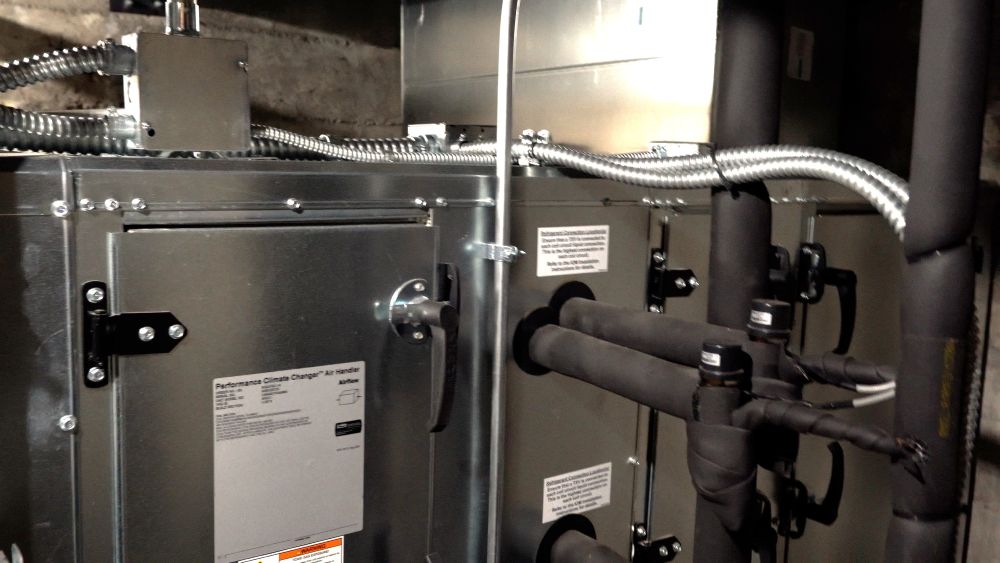
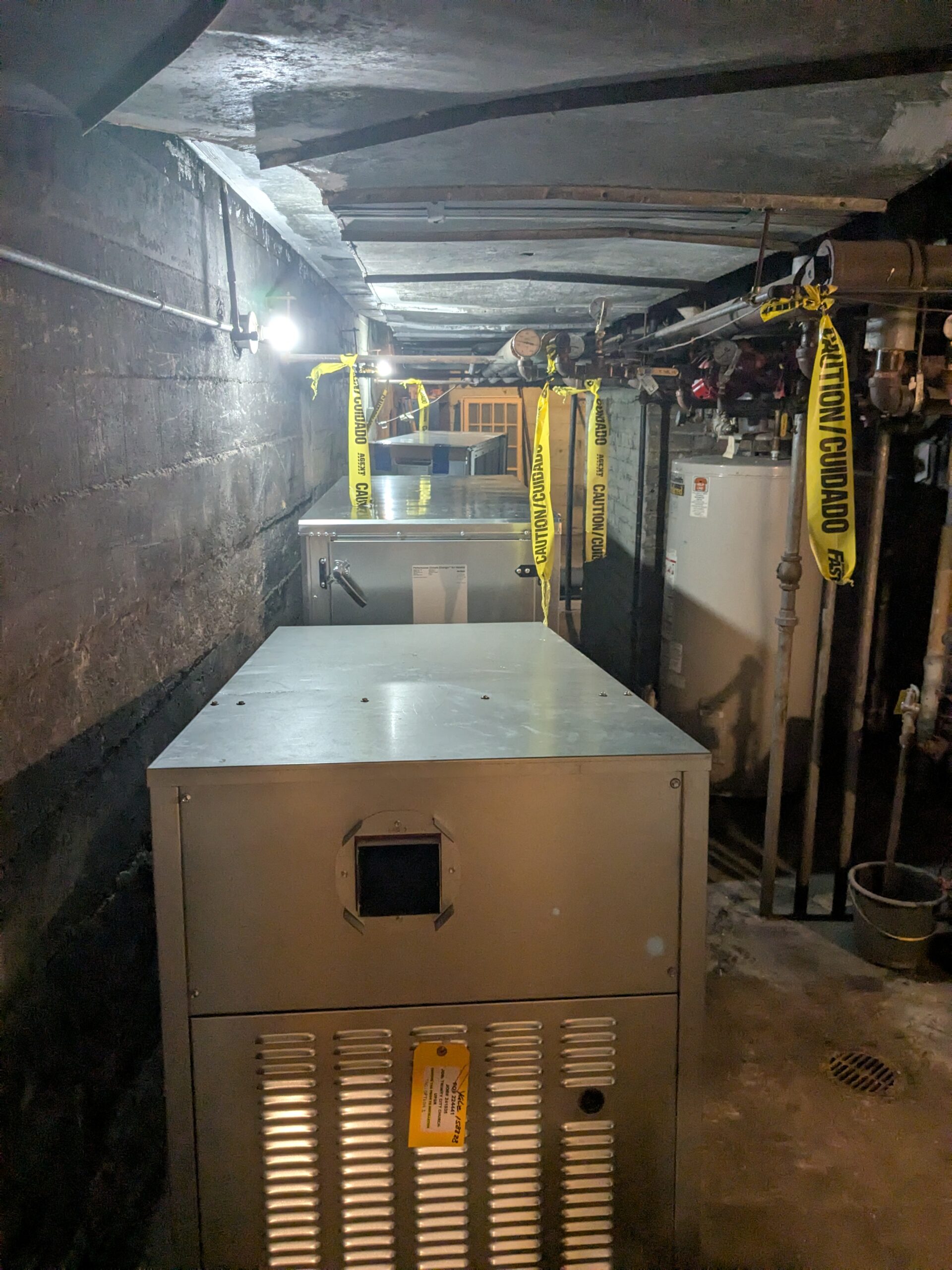
Energy rebates led them to a more modern setup, a heat pump system supplemented by traditional forced air furnace heating. Satrom said a heat pump is akin to an air conditioner that can run in reverse, extracting heat from the outside air and transferring it into the building.
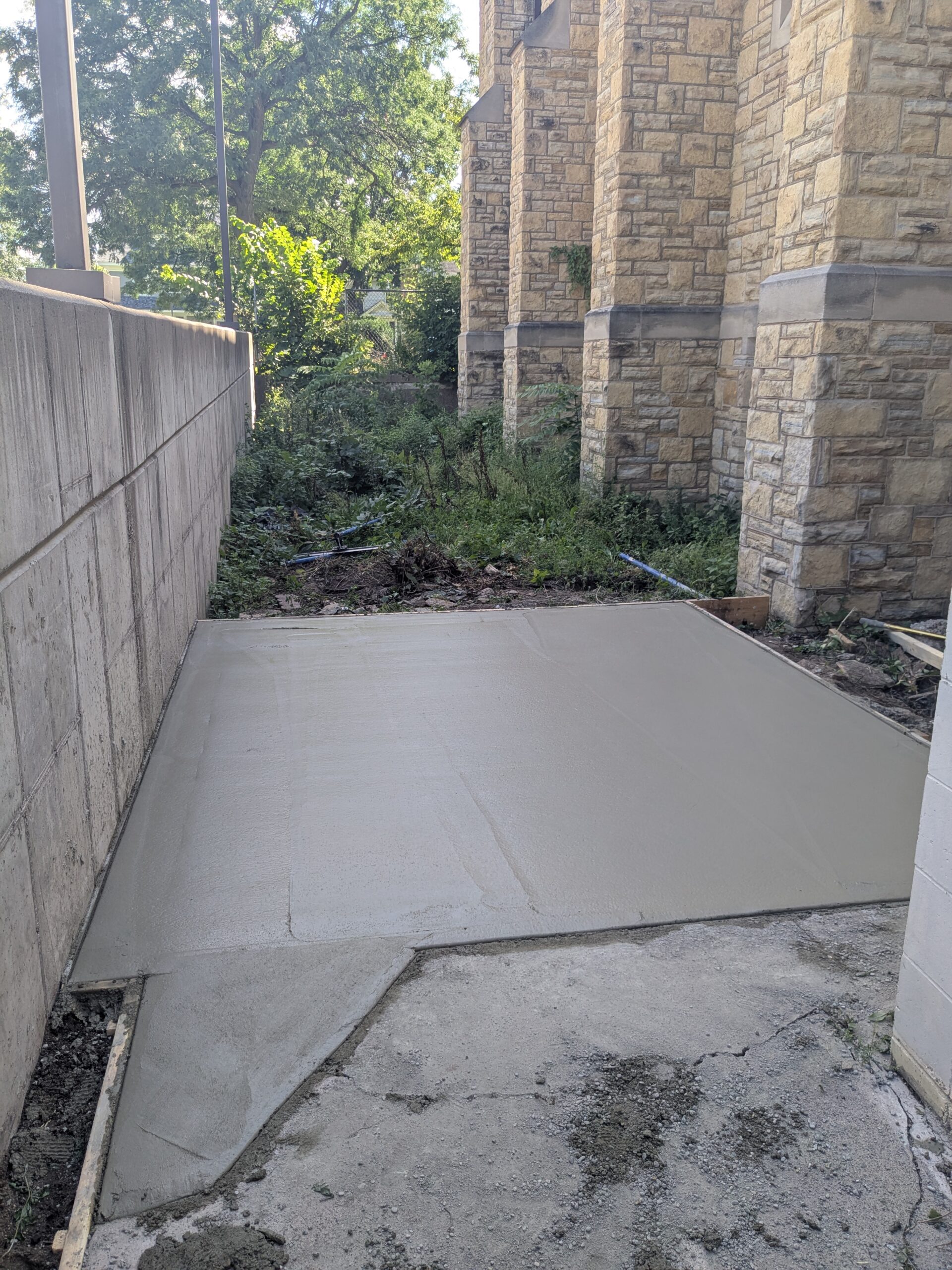
Elevated AC style units with ground facing vents are placed outside the building and must be clear of snow, something that’s common during Minnesota’s winter months. They can provide heat from as low as 0 degrees Fahrenheit outside but are most efficient when external air is at 20 degrees or above. For Trinity, this is when traditional forced air furnaces kick in to supplement this source.
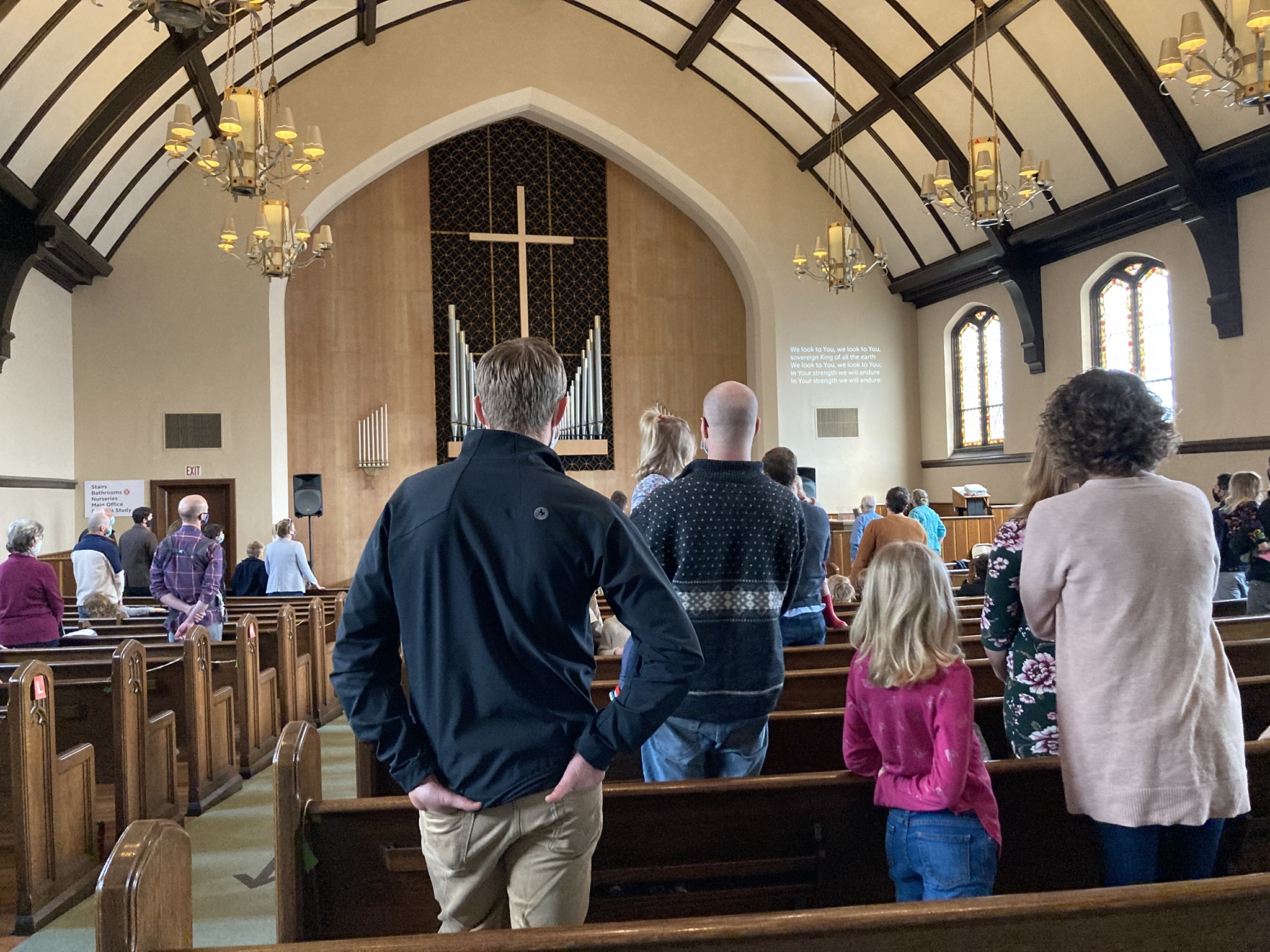
Pastor Bryan and others from the church can monitor and control the system through a web-based interface. The net result is a far more comfortable congregation, increased hospitality and a major load taken off the ministry, he explains. It also opens the door to weddings and funerals in the summer, as the church was at times too hot inside to host them in the past.
Financial assurance provided
CIF has a framework to help in a way that doesn’t hurt churches, the senior pastor said. They want churches to stay in a good financial position, so that after a church takes out a loan like this, they are still able to function and thrive as a ministry.
Lair said he was thankful for people in his church who could speak financial language, as CIF figured out the best way to structure the loan, meet the church’s goals and timing with the capital campaign. This reduced any stress the church might feel and provided clarity on sources of funds.
Play on biblical words garners support
Pastor Bryan knew that an HVAC capital campaign would be less exciting to support than a building purchase. “It just doesn’t have the impact, appearance-wise.” So, some creativity was in order.
Church leaders delivered. Drawing from verses in Revelation 3, a logo was created with a burning snowflake inside a church building outline.
It was the Lukewarm HVAC Campaign – where unlike our faith, our building shall be neither hot nor cold.
“We decided to have some fun,” the senior pastor said, calling attention to the campaign’s “ridiculous” name and logo. They shared the need, asked people to pray and give generously, and it was effective.
Many who call Trinity home knew about needed building updates, but stuck with the church through cold winters and hot summer days.
“So at least there was the ‘frozen chosen’ who would show up here and worship,” said the senior pastor. “It was the opposite of an attraction to ministry – this was unreliable heat in the winter and no AC in the summer, and we have no parking lot. And yet, God was able to grow us to be an established church of a couple hundred people who meet here and do mission from here.”
Work to do, all around
Secularism in this area is strong, which makes the need even greater to share what Jesus taught, explains Associate Pastor Bryce Langley. Citing Martin Luther King, Jr., he said there is a general and divine dissatisfaction with trying to find meaning in things like careers.
“Trinity presents a robust and historic expression of the Christian faith that has survived thousands of years, and of all these different trends that (Christianity) has answered those questions in so many ways before,” Pastor Bryce explained. “We get to see that re-enchantment of the gospel in a place like St. Paul.”
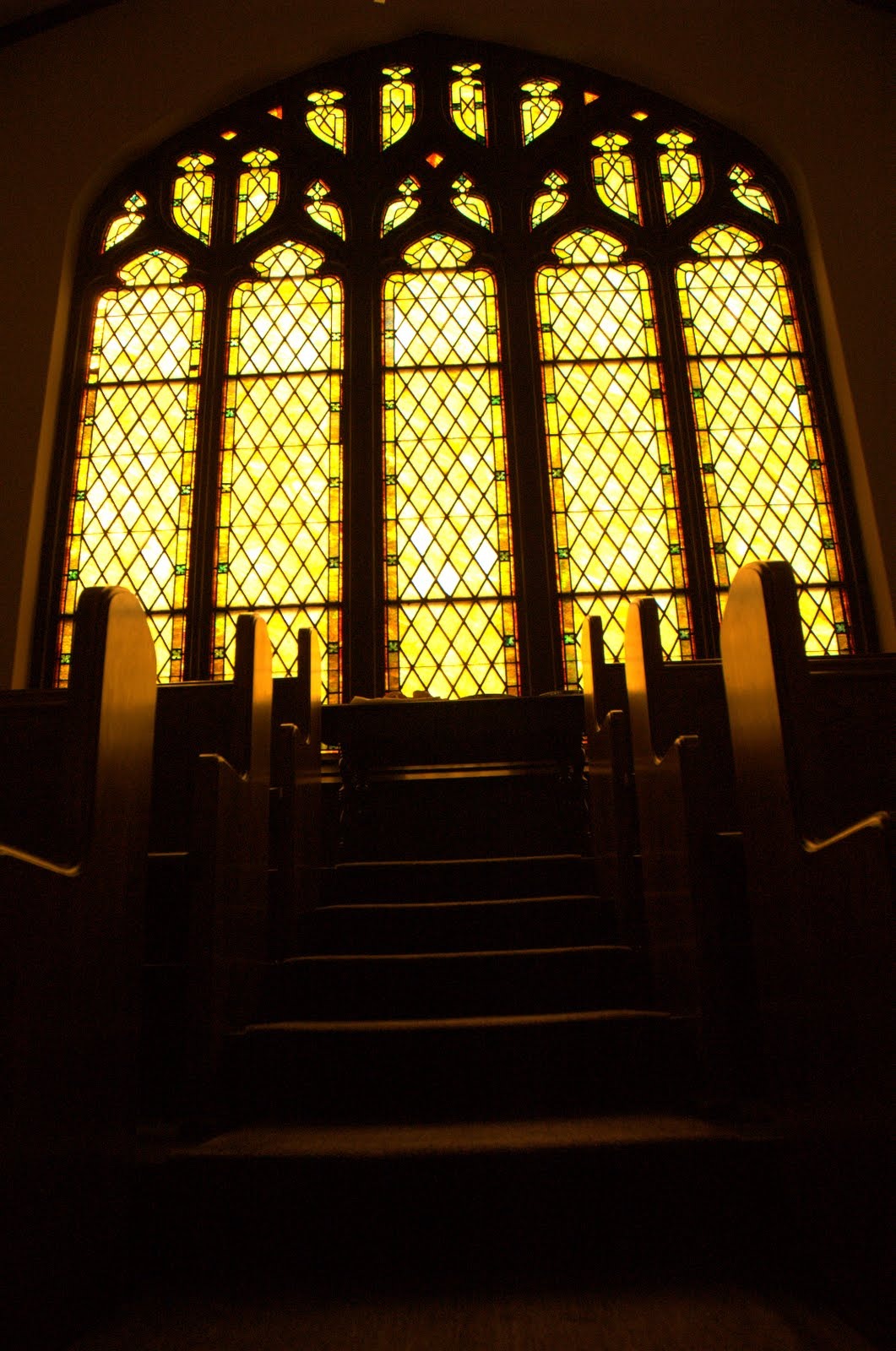
The building is authentic to the city’s Miriam Park neighborhood, opening doors for effective ministry.
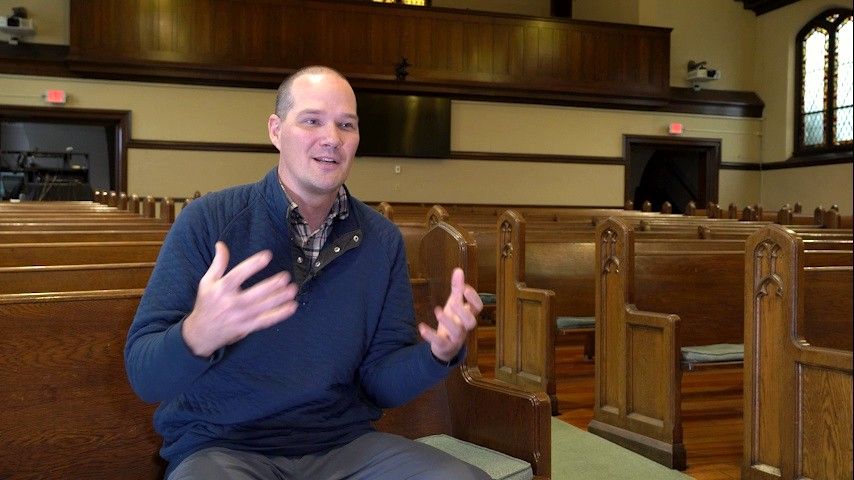
“Many people are surprised when they hear that this church is only 15 years old and that I am the founding pastor,” said Pastor Bryan. “I think this building has something to do with it because it communicates stability and presence.”
Moves preceded church purchase
There was a time when the church had to meet in a different space, a little over a mile away.
Trinity City Church began renting its current building on Marshall Avenue in 2010 until the building was sold to another ministry in 2013. Moving services to a Seventh Day Adventist church building, the Trinity later had the opportunity to buy this first building in 2015 after it came back on the market, truly coming full circle.
At CIF, our partnership with churches and individuals is vital to our work. Learn more about church loans, impactful investments and consulting from CIF, and how you can get involved in our mission providing faith-based financial solutions that serve Kingdom expansion.
“When the angels went away from them into heaven, the shepherds said to one another, “Let us go over to Bethlehem and see this thing that has happened, which the Lord has made known to us.” And they went with haste and found Mary and Joseph, and the baby lying in a manger.And when they… Continue Reading