Committed to expanding Cornerstone, God’s Kingdom
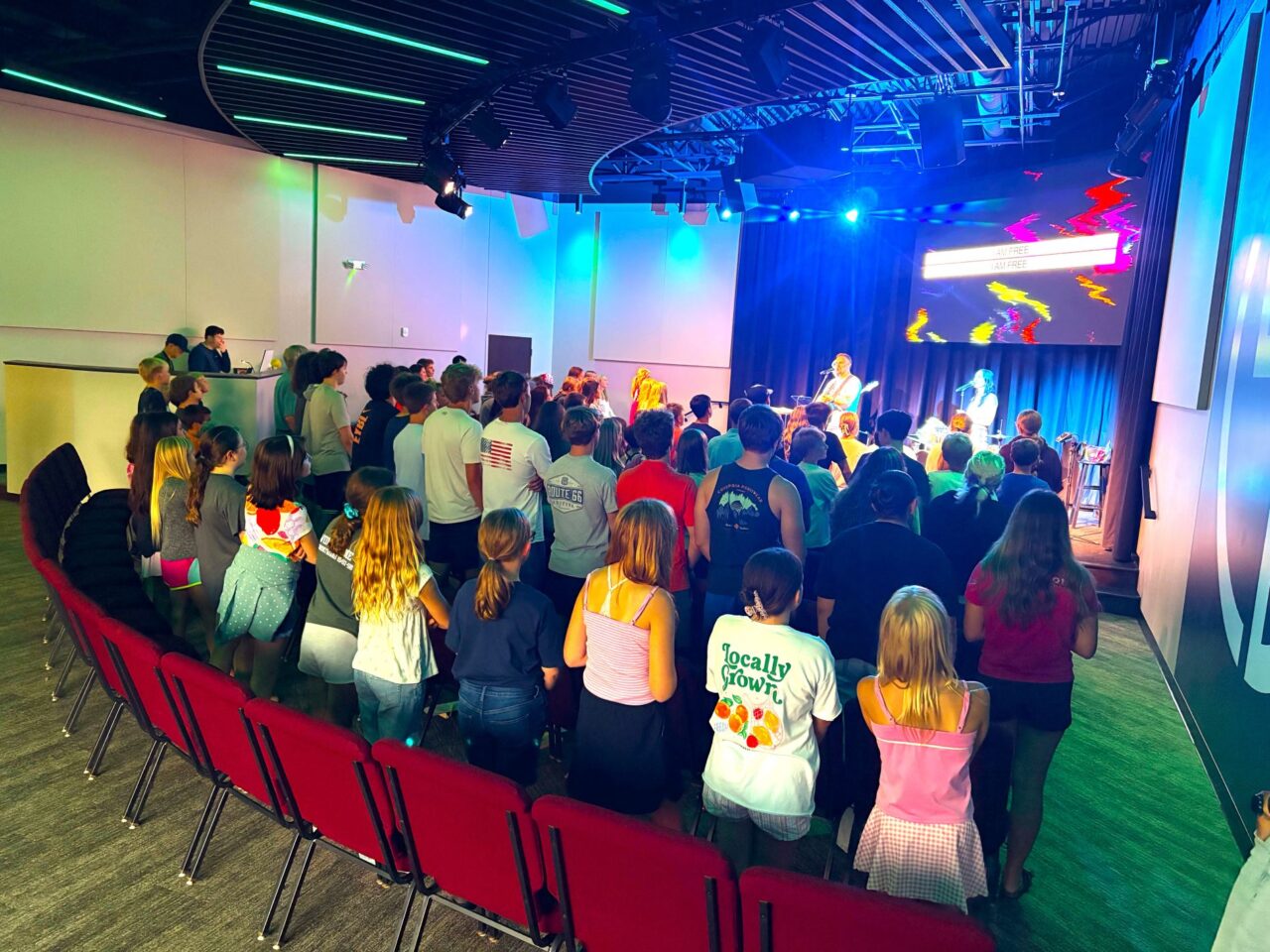
The church’s new multi-use chapel has colorful motion lighting options, a stage with an LED wall and an audio-visual booth.
Continue Reading
“Facts are stubborn things…” With church loans, facts form the basis of our research to determine affordability.
“If we only had the space we need, a place to meet that is our own. Oh, what God could do with our ministry!”
Kingdom expansion is stirring. “God is on the move, and we want to follow His lead.”
There is no denying that there are emotional elements to church discussions about finances and buildings.
Pastors and elders have dreams and look to CIF for a loan to help fulfill them. They need space for ministry – places where God would work and move among his people. CIF wants to help.
There are advantages to talking early
This is why we encourage all potential borrowers to contact us early to begin a conversation about what may be possible and what is going to be required. This step helps both of us clarify expectations and outcomes.

Paul Carlson, the first leader of CIF, understood the excitement that can come with new and better spaces for ministry. He also had a penchant for facts, data, or details as people said at the time. Sometimes the answer to a church loan request was not now, and he would deliver the news with tenderness. There are times when we have to share the same difficult news with churches today.
Financial realities come into play
“Facts are stubborn things” is a phrase that some trace to American founding father John Adams. With church loans, facts form the basis of our research to determine affordability.
While I don’t know the lending situations Carlson faced in the early 1960s, I can say I have had many conversations with churches about this. Sometimes our best advice to a church is to wait on a loan, make preparations and check in with us as they make progress.

Not the answer people wanted
Understandably, a few church leaders can be disappointed. There were high hopes, prayers and sights set on this as a solution. As a potential partner, we look at many factors for every church loan. What will the down payment be? Is there enough value in the collateral and is it impaired in any way? Could the project be done in phases?
As good stewards, we can’t ignore financial realities, move forward with a loan and trust that it will all work out in the end.
Experience tells us that if we provide that loan, in all likelihood it will put their ministry in jeopardy, not being able to pay their other bills and possibly even laying off staff. That would be Kingdom contraction, not Kingdom expansion.
What would a bank do in this situation? From a profit motive, it could extend a risky loan, but most would send a decline letter. That would be it, and that’s OK, because financial solutions serving Kingdom expansion are not why they exist – but they are why we exist.
We are different, but not in the way that some might think. When the time is right and the data supports the decision, we can move forward. Some might forget that while we are a nonprofit financial institution, we are not a charity. The dollars are not ours to give away.

We share the desires of the churches we serve – we want them to have the space and resources to follow God’s leading in their communities, without harming the ministry they already have.
By trusting God, preparing and seeking good counsel, churches can be good stewards who attend to current and future needs well. We are thankful for the trust people place in us, and will continue to serve them and the Lord, providing financial services on a mission.


Scott Achterling
President and CEO
The church’s new multi-use chapel has colorful motion lighting options, a stage with an LED wall and an audio-visual booth.
Continue Reading
“For the righteous will never be moved; he will be remembered forever. He is not afraid of bad news; his heart is firm, trusting in the Lord.” Psalm 112:6-7 (ESV) “You win some and you lose some” is a phrase we hear in business, in sports and even in church. Yet in ministry, sometimes the… Continue Reading
Continue Reading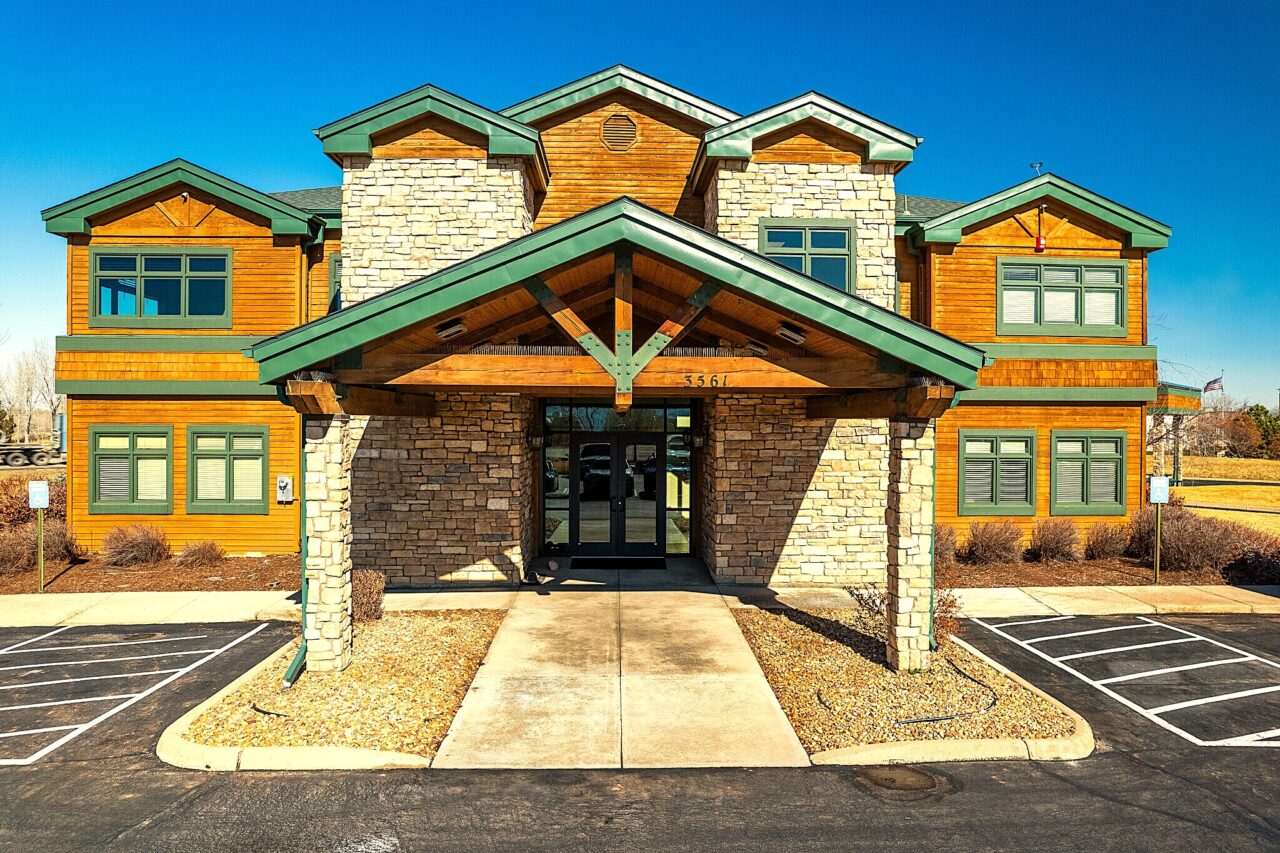
Generous congregation, CIF church loan makes first building purchase a reality for Abundant Life Church in Longmont, 31 miles north of Denver
Continue Reading