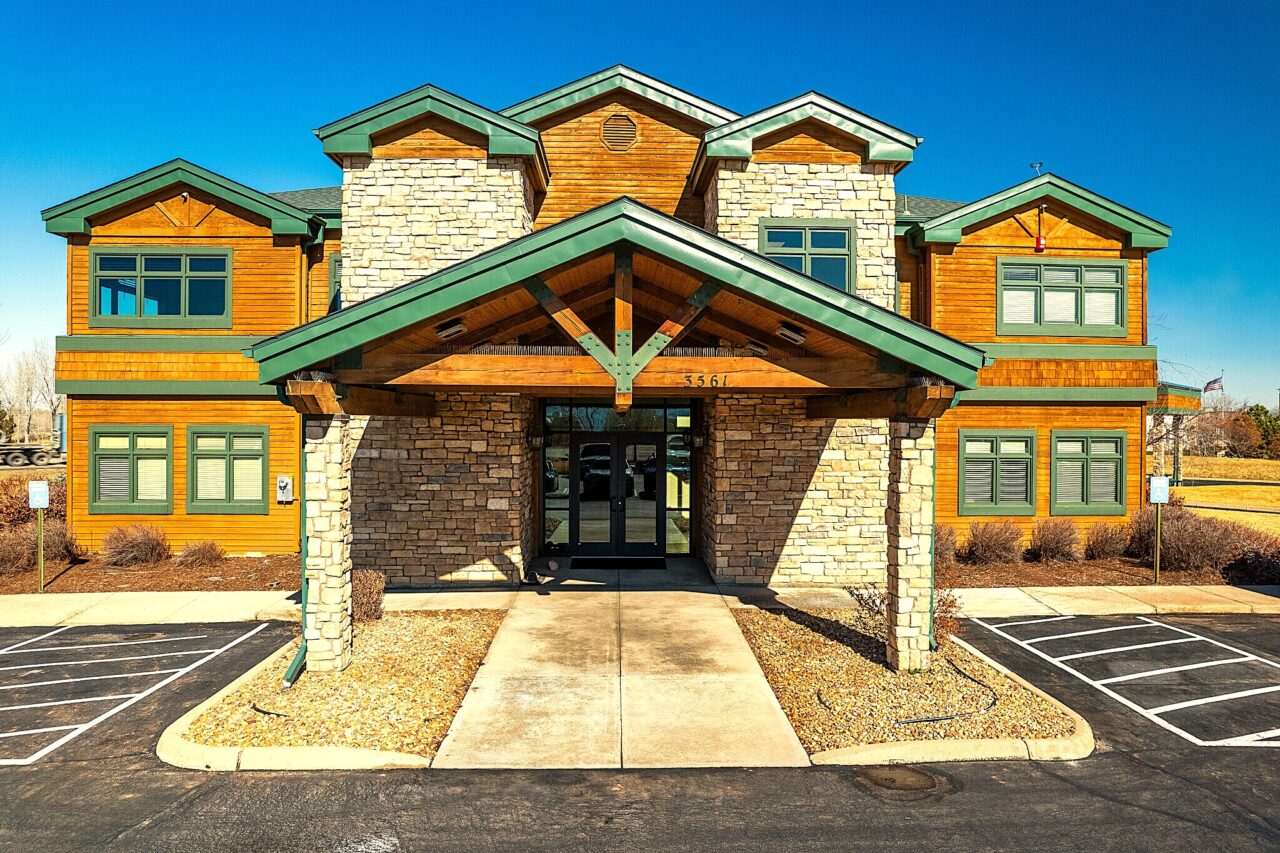
Colorado free church takes gospel to the bank
Generous congregation, CIF church loan makes first building purchase a reality for Abundant Life Church in Longmont, 31 miles north of Denver
Continue ReadingRedeemer Rockwall near Dallas, a growing PCA church, owned land to build on and explored buying a building, found better solution by consulting with CIF

“We love our local bank, but they just can’t compete with what CIF can do.”
Julie Meyer, director of operations, Redeemer rockwall in texas
With attendance tripling since 2022, Redeemer Church in downtown Rockwall, Texas had ambitions to build and move to a property on six acres near a small airport, but God had other plans.
They were meeting in a sanctuary that seated 200, but the church had grown to 500 to 600 weekly attendees and had to consider running three or four Sunday services. The church is half an hour east of Dallas and is a member of the Presbyterian Church in America (PCA).
They have had a strong lending and investment relationship with Christian Investors Financial (CIF) for years.
“We love our local bank, but they just can’t compete with what CIF can do,” said church Director of Operations Julie Meyer. Her church board felt strongly that partnership with CIF was a matter of stewardship, as the faith-based financial institution also helps other churches.

Building has 120-year history
Redeemer Rockwall’s building was constructed in 1906 and currently measured more than 12,000 square-feet on less than half an acre.
The church has been meeting there since 2004. At least three other churches had owned the building before then. Redeemer Rockwall opens their building up to the community several times each year and hosts events in their backyard.
Meyer said many people in Rockwall have memories of weddings at their building, playing football in the yard and more. While the church pondered their own space problem, another church they befriended had raised $8 million to build new. Unfortunately, costs had doubled when the time for construction neared. “Stories like that were enough to make us feel like, OK, maybe we bloom where we are planted,” she said.
Redeemer Rockwall needed to take a close look at all of their options. They already owned their building. Maybe they had not outgrown it yet.
“Those first 20 years we were just thinking, ‘Okay, we’re going to hold it together with duct tape as long as we can, and then we’ll go build something,’” she said. Using a CIF loan, the church purchased six acres in Rockwall near an airport runway.
But along with a zoning change request, the city required the new church building be built at the far end, on the back two acres of the property, which Meyer said was not going to work.
Another option to explore
There were more conversations with CIF about the possibility of buying a historic church building across the street. That was not advisable, as costs there would be immense.
The structure built in 1913 was listed on the National Register of Historic Places, one factor that would drive a need for nearly $10 million in renovations, Meyer explained.


She was able to advise her Session, or elder board, that the federally landmarked church across the street was a neat building, but if Redeemer Rockwall bought it, they would be in the building preservation business for a long time.
“It was really easy for them to say, ‘No, that’s really not part of our mission statement. It would be cool to have a historic building, but that’s not what we’re about,’” Meyer explained.
Could their current building be made to work?
After talking with the city and CIF, the church found their sanctuary was rated to hold 299 but felt crowded with less than 200. What could be done to increase that capacity? Walls could be removed and pews replaced with interlocking pew chairs. There were structural updates to make, as well as changes to the stage, new flooring and lighting.
“It was very important to us that we kept it looking like a church, and that was going to be more expensive,” said Meyer. The project would happen in two phases.


In consultation with CIF, Redeemer Rockwall sold the land near the airport runway at a profit and paid off that CIF loan. The remaining funds covered the cost for the first phase of their renovation.
“CIF was part of the whole story of God’s provision for our church,” she said. A separate capital campaign and a modest CIF loan would cover the second phase.
That phase uncovered how badly renovation was needed. There were three load bearing beams that were not adequate anymore, so Meyer and others were grateful that this could be corrected.

A structural engineer got involved and the updated building is not only beautiful, she said, it is structurally sound for another 100 years.
Nearby space fills the need
Their historic neighbor was not completely out of the picture. The City of Rockwall bought the church across the street to preserve the city’s rich history. They then rented additional office space to Redeemer Rockwall.
“The love us as renters and we love them as landlords. It’s working great,” Meyer said.
Learning the process, doing their homework
The financial side of ministry primarily falls on Meyer’s shoulders, and CIF helped teach her several skills to properly manage funds for the project.
Her fundraising background was helpful, and she thought she had Excel spreadsheets all figured out.

“But when you mesh that together with construction management and fundraising, there were tools I absolutely did not have and was not interested in learning,” she said.
Managing a construction project involves using one of CIF’s helpful tools, a “Sources and Uses” spreadsheet, which can be extensive. Going line by line, Meyer said, “You’re going to find out what you don’t know. And that’s going to be painful, and that’s going to be good.
“The details were very, very important and made it look from the outside like it was coming together seamlessly,” she said. Accountability with CIF was key. “It’s worth its weight in gold because no one in the Session was going to require that of me.”
The temptation is to put financial church work off to the side and go back to ministry, she explained. But the constant relationship with CIF provided peace of mind so she could return to her finance committee and board with facts and recommendations. Ultimately, this helped their ministry to thrive as the project moved forward to completion.
“We would definitely use CIF again. I would still not recommend anyone go it alone,” Meyer said.
CIF Consulting, Church Loans and Investments bring added value to many churches across the country. Learn more about how our financial solutions can stand alone or work together to create more space and resources for ministry. Get in touch with us today to get started!


Generous congregation, CIF church loan makes first building purchase a reality for Abundant Life Church in Longmont, 31 miles north of Denver
Continue Reading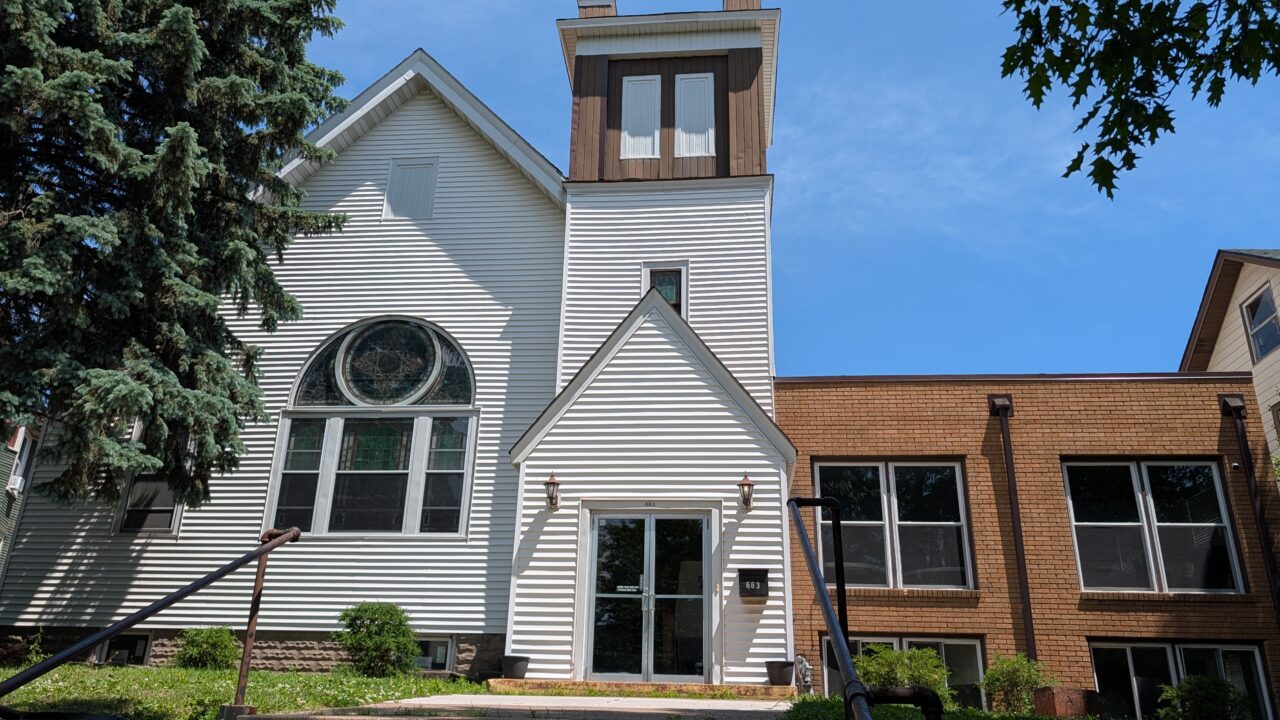
Hope Community Church and CIF moved fast to secure building in residential St. Paul, Minnesota
Continue Reading
Door Creek Church in Madison, Wisconsin saved money by refinancing with CIF and is aggressively paying down the mortgage.
Continue Reading